

Reading the Roulette Wheel Layout Explained for Australian Players

Most adults who sit down at a roulette table think the numbers are the whole story, but the physical wheel layout carries its own logic that shapes how a session feels from the first spin. When we mapped the table games floor for Independent Gaming Pty Ltd a few years back, we learned quickly that a wheel’s sequence, pocket depth and fretted separators change the rhythm of play far more than anyone expects. That’s the angle here: read the layout as a practical feature, not a novelty, and you’ll spot why some lobbies feel calmer than others. If you’re comparing where to play, it’s worth checking how a operator presents the wheel in the first place, and a look at lucky elf casino 1 in updated edition shows how a refreshed lobby can make the wheel sequence easier to follow before you even place a chip.
That tactile feedback loop guides everything from bet sizing to the pace of the evening, which is why seasoned designers now treat the wheel as a narrative device rather than a mere backdrop. For a closer look at how these physical cues are being reimagined in modern digital environments, see the lucky elf casino 1 in updated edition at https://luckyelfcas1no.com/au6. When the mechanical cadence is translated into software, the same principles of pacing and anticipation still dictate how players move through a session.
How the Wheel Sequence Shapes the Table Experience

The roulette wheel layout explained properly starts with the number order, because the sequence on the wheel is nothing like the grid on the felt. European wheels run a single zero and arrange the pockets so that red and black, odd and even, and high and low numbers are distributed to balance the board as the ball travels. That balancing act is deliberate: manufacturers don’t just shuffle digits around, they engineer the path so no single sector dominates a short run of spins. From a commercial standpoint, that matters because players who understand the sequence stop chasing patterns that aren’t there and start reading the table as a whole.
When we reviewed a supplier’s wheel specs for a regional venue in Geelong, we found the pocket separators and the frets above them changed how audible the ball drop was, which sounds minor until you realise it affects how often a session feels settled versus frantic. A clean wheel with consistent pocket depth gives the croupier a steadier hand and the player a clearer sense of pace, and that’s the kind of detail that separates a polished floor from a rushed one. If you’re comparing table games online, the same principle applies: a lobby that presents the wheel sequence clearly, rather than burying it under cluttered graphics, tends to feel more manageable on a quiet arvo when you’re there for a session rather than a sprint.
Lachlan McKenzie, Sports Betting Analyst, Tasman Gaming Partners, put it plainly when we asked about wheel presentation: “The sequence is the one thing players can actually read before they wager, so a lobby that makes it visible is doing the table a favour.” That’s a fair caveat, because visibility doesn’t guarantee outcomes, and it’s never a substitute for bankroll discipline, but it does reduce the noise around a bet that should be about choice, not guesswork.
What the Layout Means for Game Selection and Lobby Flow
A roulette wheel layout explained in the context of a game lobby is really about how the table sits alongside everything else on the floor. The mix matters: a venue that stacks too many near-identical wheels together creates decision fatigue, while one that separates European, French and specialty variants by rule set gives players a faster path to the table they actually want. From an operations view, that’s a supplier strategy question as much as a design one, because the providers you contract shape how the wheel is displayed, how the bet limits are tiered, and how the live stream or RNG table behaves when the queue builds up.
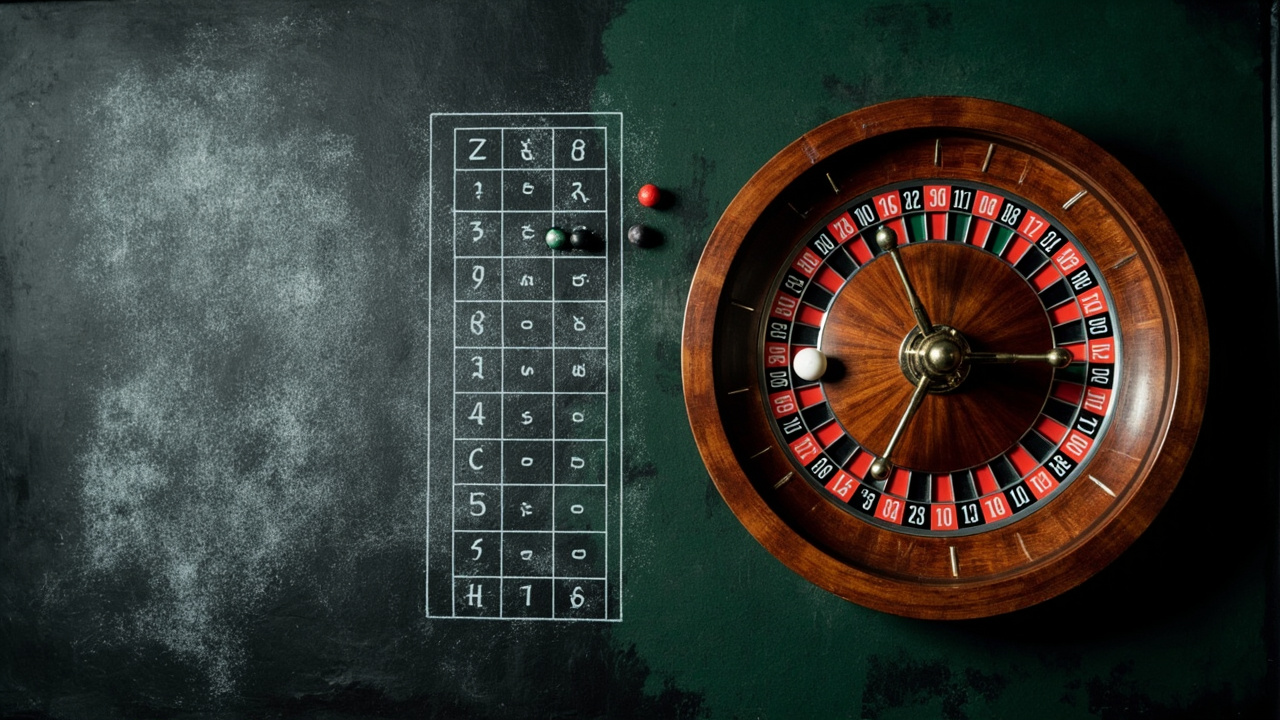
We’ve seen lobbies where the search bar returns every table in a single unsorted list, and we’ve seen others where the wheel type, min/max limits and provider name sit front and centre so you can filter without clicking through five screens. The latter approach is the one we lean toward when we’re advising on commercial oversight, because it respects the player’s time and keeps the floor readable during a busy session. A Geelong club we consulted on had a similar issue in its physical layout, where the wheel tables were crammed near the entrance and the quieter French tables were tucked down a side aisle; moving them improved dwell time because people could actually find the variant they wanted without walking past a row of noisier wheels.
Olivia Bennett, Gaming Technology Consultant, Australian Gaming Futures, noted something we keep coming back to: “The wheel is only as good as the interface around it, so if the lobby hides the rules or the limits, the layout advantage disappears.” That’s the kind of judgement call that matters when you’re weighing a supplier, because a polished wheel means little if the player can’t see the bet structure or the table limits before they join. A well-organised lobby doesn’t promise wins, but it does make the session easier to manage, and that’s a practical benefit worth looking for when you’re comparing where to play.
Reading the Layout as Part of a Responsible Session
The roulette wheel layout explained responsibly is really about what the wheel can and can’t tell you, because the sequence is a design feature, not a signal. A wheel doesn’t remember the last spin, and no arrangement of pockets changes the underlying odds on any single bet, so the sensible read is to treat the layout as a way to choose a table you’re comfortable with rather than a map to a result. That’s the perspective we bring from managing operations: a clear wheel, a readable table and a lobby that shows the limits up front all support a session that stays within the player’s own boundaries.
If you’re playing at home on a mobile or desktop, the same discipline applies, and it’s worth checking how the operator presents the wheel, the rules and the bet limits before you join a table. A quick look at a refreshed lobby can show whether the wheel sequence, the table limits and the variant rules are easy to find, and that kind of clarity matters more than any flashy graphic when you’re settling in for a measured session. The point isn’t to chase a pattern or assume the layout gives you an edge; it’s to pick a table where the rules, the pace and the limits are visible enough that you can play within your own limits without having to hunt for the basics.
| Detail | What to look for |
|---|---|
| Wheel variant | Single zero European or French rules where available |
| Number sequence | Standard European order, presented clearly in the lobby |
| Table limits | Min and max bet visible before you join the table |
| Providers | Listed per table so the wheel style and rules are easy to identify |
| Payments | AUD support with standard deposit and withdrawal timing |
| Registration | Basic details and age check before play, with verification steps in place |
| Mobile | Wheel and table grid readable on a phone without zooming |
| Support | Live or message-based help reachable from the lobby |
| Loyalty | Points or tier progress tied to eligible play, with terms shown clearly |
A good session starts with a table you can read, not one you have to decode, and that’s why the wheel layout deserves more attention than it usually gets. When the sequence, the rules and the limits are visible from the start, you’re free to focus on the play itself instead of guessing what the table is offering, and that’s a practical way to keep a night at the wheel calm and within your own limits.